

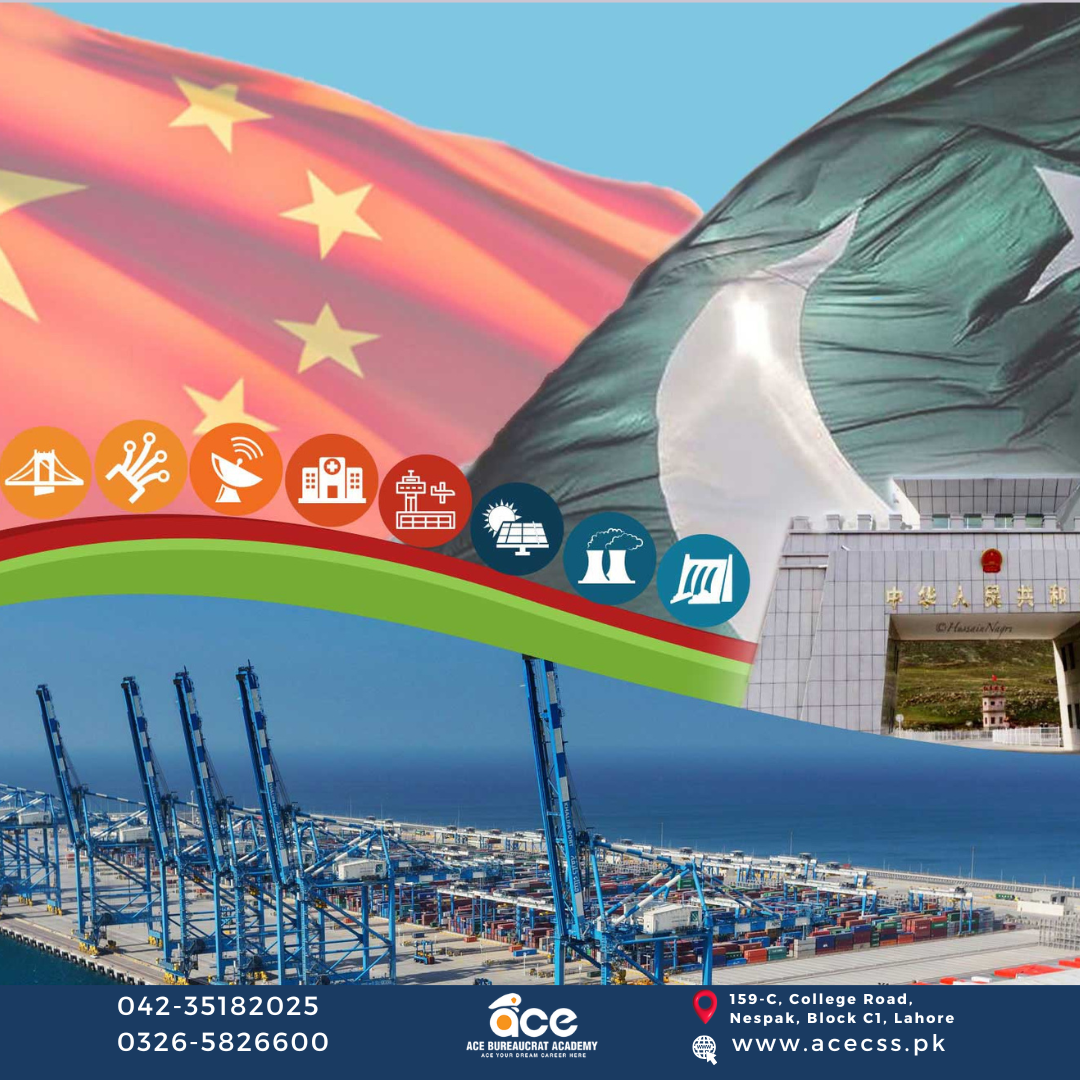
CPEC Delays and Future Prospects
CPEC Delays and Future Prospects: Pakistan has approached Beijing to speed up the visit of Chinese technical and finance teams to finalize agreements for the first phase of the ML-I rail project upgrade, which will connect Peshawar to Karachi. This upgrade is part of a broader effort to enhance infrastructure as part of the China-Pakistan Economic Corridor (CPEC).
CPEC SEZ Development Plans
Pakistan has requested the development of the Islamabad and Karachi Special Economic Zones (SEZs) into model industrial estates. These estates could serve as templates for other SEZs in the country. Planning Minister Ahsan Iqbal made this request during a recent meeting with the Chinese ambassador. During the SCO summit in Islamabad in October, the Chinese Premier agreed to send a technical team to assess the first phase of the ML-1 upgrade, costing $1.1 billion, particularly the stretch between Karachi and Hyderabad.
Earlier this year, during Prime Minister Shehbaz Sharif’s visit to Beijing, China had agreed to accelerate work on the second phase of the upgraded multi-billion-dollar CPEC initiative, which the finance minister referred to as the “monetization phase” of the project.
Challenges Delaying CPEC Investments
Despite previous agreements, Chinese investments in Pakistan have yet to materialize. The slow pace of progress in the China-Pakistan Economic Corridor (CPEC), especially regarding the ML-I upgrade and the relocation of Chinese factories, has sparked concerns. Several factors have contributed to this delay. China is increasingly worried about the safety of its nationals involved in CPEC projects, as they have been targeted by terrorist attacks. Additionally, Beijing has become cautious about its investments due to mounting criticism of CPEC’s role in Pakistan’s rising debt. Furthermore, as Pakistan’s largest creditor, China is wary of Pakistan’s repeated requests for more loans and the rescheduling of existing debts. China’s broader economic issues, including growing trade tensions with the United States, have also made it reluctant to commit to new investments in CPEC.
China is unlikely to resume its CPEC investments soon, but this pause does not signal a loss of interest in the project. Once security conditions improve for Chinese nationals, new investments may follow. Meanwhile, Pakistan must focus on completing its part of the project and streamline processes. The planned dissolution of the CPEC Authority, criticized for inefficiency, should resolve decision-making issues. This will enable the planning ministry to speed up key initiatives.
Published in Dawn, 9th December 2024
