

Regional Pressure
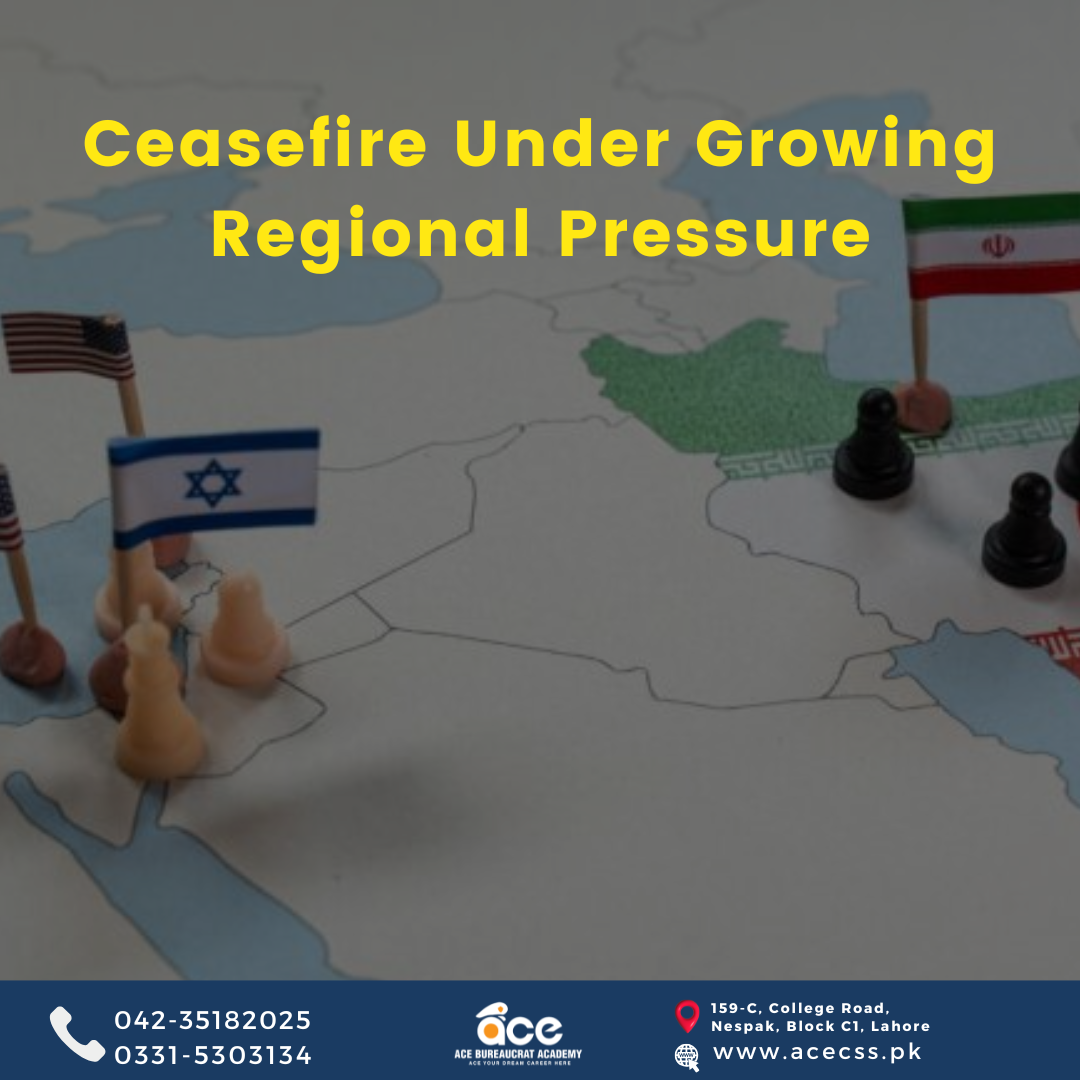
Regional Pressure: The latest fighting between the United States and Iran raises a key question: when does a ceasefire stop being a ceasefire? US forces said they intercepted Iranian drones near the Strait of Hormuz. They then struck Iranian radar sites. Iran responded by launching missiles and drones at Gulf states that host US forces. Both sides accuse each other of breaking the ceasefire agreed in April. Yet neither side wants to end negotiations.
Eroding Trust
Ceasefires should reduce violence and create room for diplomacy. But repeated military attacks weaken their purpose. The danger is not only the violence. The bigger problem is the loss of trust in peaceful negotiations.
Stalled Talks
Washington and Tehran still continue talks. They are discussing sanctions relief, frozen Iranian assets, and regional security. However, they have made little progress. Iran says the talks have produced few results. The US still uses military pressure to strengthen its position. This strategy may bring short-term advantages, but it also increases mistrust. Each attack triggers a response. Each response makes compromise harder.
Regional Complications
The situation is becoming more complex. In Washington, some lawmakers want to limit military action without congressional approval. Across the region, other conflicts continue to affect peace efforts.
Lebanon has become another concern. Iran links the future of the ceasefire to events there. It argues that Israeli operations against Hezbollah could undermine the agreement that ended the fighting. Whether the US accepts this view is not the main issue.
Growing Risks
The main concern is that more events can now trigger a wider crisis. The Strait of Hormuz is no longer the only flashpoint. A clash in southern Lebanon or another incident involving US forces in the Gulf could damage diplomatic efforts. The greatest danger is not a deliberate return to war. The greater risk is that regional events now shape the ceasefire’s future. This makes the agreement more fragile and harder to preserve.
Published in Dawn, 8th June 2026
