

Iran War Soon
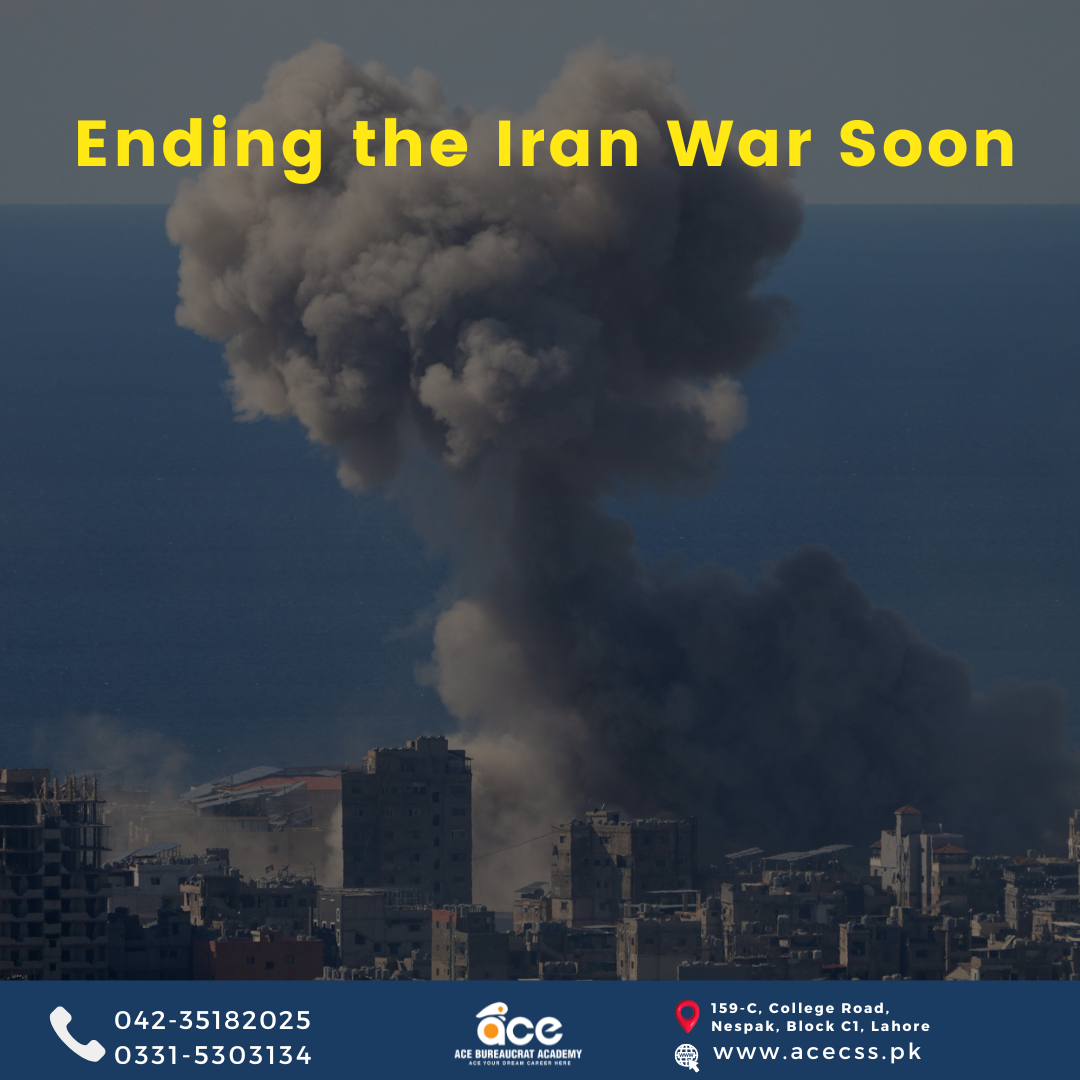
Iran War Soon: The Israel-US war on Iran has entered its second week. President Donald Trump demanded Iran’s “unconditional surrender.” President Masoud Pezeshkian rejected this. He said Iran would never surrender. There is little clear evidence about the war’s progress. Both sides make strong claims. The Israel-US coalition says it destroyed Iran’s nuclear facilities, missile production, and leadership. Iran says its military remains strong.
Iranian Resistance
Airstrikes and missile attacks hit many parts of Iran. The Israel-US coalition controls most of the skies. Yet Iran continues to launch drones and missiles at Israel and US bases in the Gulf. Reports suggest Iran’s 12 autonomous military-aerospace commands are still working.
American analysts are divided. One group says the war is not going well for the US. They point to damage to US missile defense systems like THAAD and Patriot batteries. Gulf allies and Israel remain vulnerable. Some suggest moving missile defense assets from South Korea and Taiwan to the Middle East.
Civilian Casualties
Another group of analysts says the war is going as planned. They claim US forces destroyed much of Iran’s nuclear and missile capabilities. Drones and bombers can now hit underground targets accurately.
Reports show civilian casualties in Iran. A missile attack on a school killed 165 schoolgirls. The strike reportedly used a 2015 target map. Critics argue that Netanyahu influenced the war to advance a “Greater Israel” project. US leaders give different reasons for the campaign. The war’s objectives remain unclear.
Shifting Objectives
The US and Israel may continue the war until Iran is fully disarmed. The objectives keep changing. First, they focus on Iran’s nuclear program. Then, they target missile capabilities. Next, they consider regime change. Trump has suggested “boots on the ground” and later said it would be a waste of time. Congress largely supports him. Politics and campaign donations shape US decisions.
Economic Impact
Economic factors also affect the war. The Strait of Hormuz closure raised oil prices nearly 25 percent. Prices may exceed $100 per barrel. Rising energy costs hit US consumers and the stock market. Gulf states lose oil, gas, and tourism revenues. Qatar warns it may disinvest in the US. This could affect global markets.
Some Gulf countries notice the US prioritizes Israel’s security over theirs. They see depleted missile defense stocks and limited support.
The conflict also affects Europe and Asia. India has a temporary waiver to buy Russian oil. Higher energy demand may boost Russian revenues. Moscow can use this to support its military campaign in Ukraine.
Economic Pressure
Countries like Pakistan face rising oil costs and falling remittances. Europe, Asia, and the US will feel economic effects too. These financial pressures may push leaders to end the war.
The war’s outcome will depend on military actions and global economic pressures. Rising energy costs may become a key reason to stop hostilities.
Published in Dawn, 8th March 2026
