

Afford Enough Food
Afford Enough Food: On January 1, the government released the Household Integrated Economic Survey 2024–25. It used the slogan “data-driven insights for inclusive growth.” The data, however, shows that Pakistan is moving away from inclusive growth.
HIES 2024–25 was done properly. It covers 32,000 households across urban and rural Pakistan and all income groups. The survey was also conducted digitally for the first time. The Pakistan Bureau of Statistics deserves credit.
Surface Gains
The official launch highlighted some gains. Literacy rose by three percentage points. Out-of-school children dropped by two points. Use of clean fuels increased by three points. Household internet access rose from 34 percent to 70 percent. Individual internet use jumped from 17 percent to 57 percent.
These improvements matter. But they do not show the full story. Child immunization increased from 68 percent to 73 percent. This still leaves more than a quarter of children unvaccinated. In former Fata districts and Baluchistan, most children are still not fully immunized. The real problems run deeper.
Rising Inequality
The survey shows that average monthly household income nearly doubled between 2018–19 and 2024–25. It rose from Rs41,545 to Rs82,179. At first glance, this looks like progress. The poorest households earned Rs41,851. The richest earned Rs139,317. Urban inequality was even higher.
Household spending rose faster than income. Average monthly consumption grew by 113 percent. Poor households increased spending by 84 percent. Rich households increased it by 131 percent. The gap between rich and poor widened.
When we adjust for inflation, the picture is worse. Most households are poorer today than in 2018–19. Only the richest rural households gained in real terms. All others, in cities and villages, lost purchasing power.
Rising Poverty
Urban poor suffered the most. Their real income dropped by 23 percent. The average urban household lost 19 percent of its income. The average rural household lost 7 percent. Life has become harder.
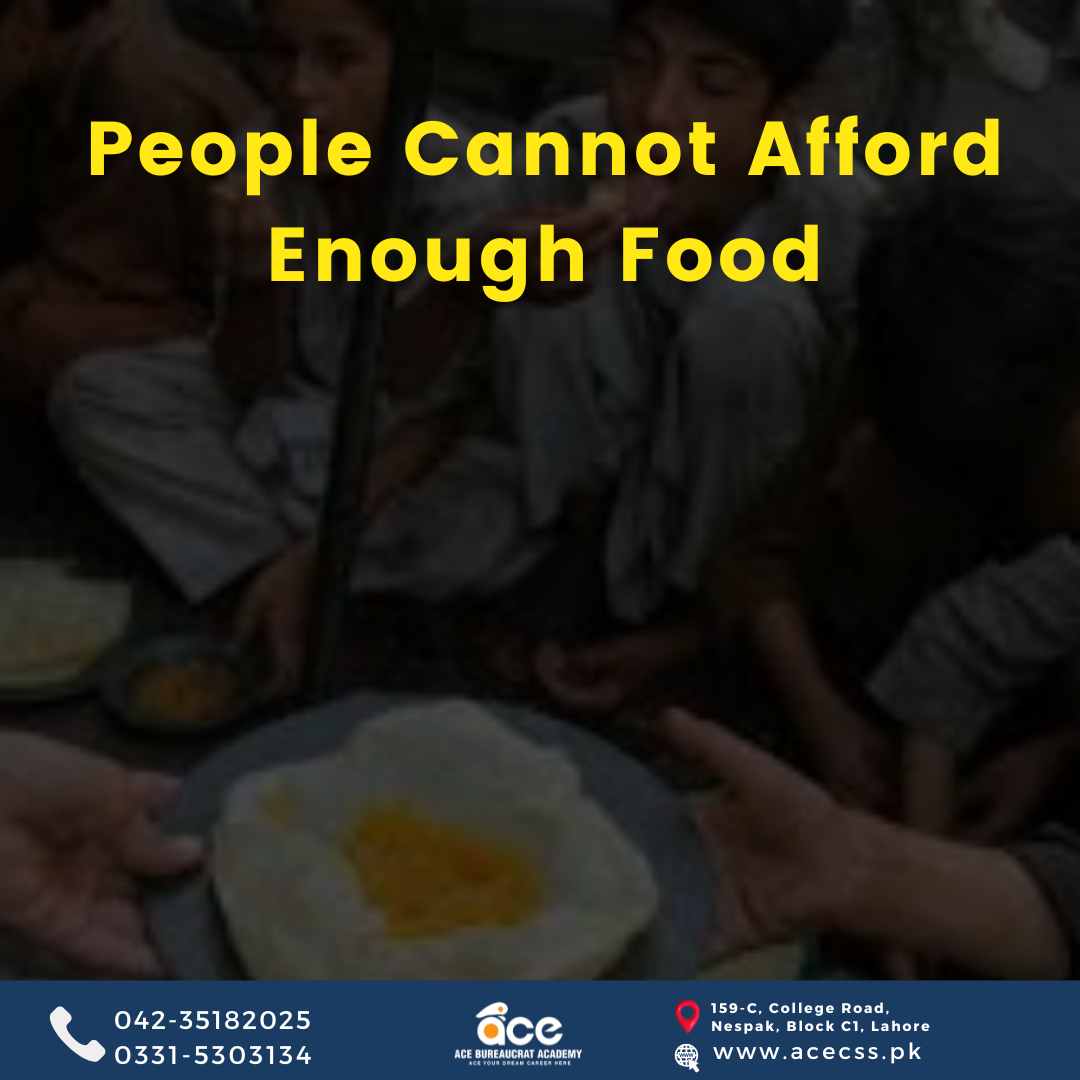
This drop affects daily life. Households spend over 36 percent of income on food. Yet they eat less than before. Per person consumption of wheat, rice, pulses, milk, meat, chicken, eggs, sugar, tea, potatoes, and onions fell in both cities and villages. Only tomatoes and cooking oil increased.
Spending More, Eating Less
People spend more money but eat less. Food insecurity rose from 15.9 percent in 2018–19 to 24.4 percent in 2024–25. Spending on education dropped from 4 percent of household budgets to 2.5 percent. Health spending rose slightly because households cannot avoid medical costs.
The survey shows that macroeconomic policies hurt households. High taxes and expensive utility bills hit ordinary people. Salaried workers suffer the most. The government fixes the economy on paper but makes life harder for citizens.
Government Responsibility
The current government bears some responsibility. But these problems are older. They stem from a weak economy, poor governance, and unstable politics. Pakistan needs deep, lasting reforms.
These reforms cannot happen under one government alone. All political parties and state institutions must agree on a long-term plan. They must protect it from political changes. Until then, people will continue to suffer. True success means improving the lives of poor households, not just securing another IMF loan.
Published in Dawn, 9th January 2026
