

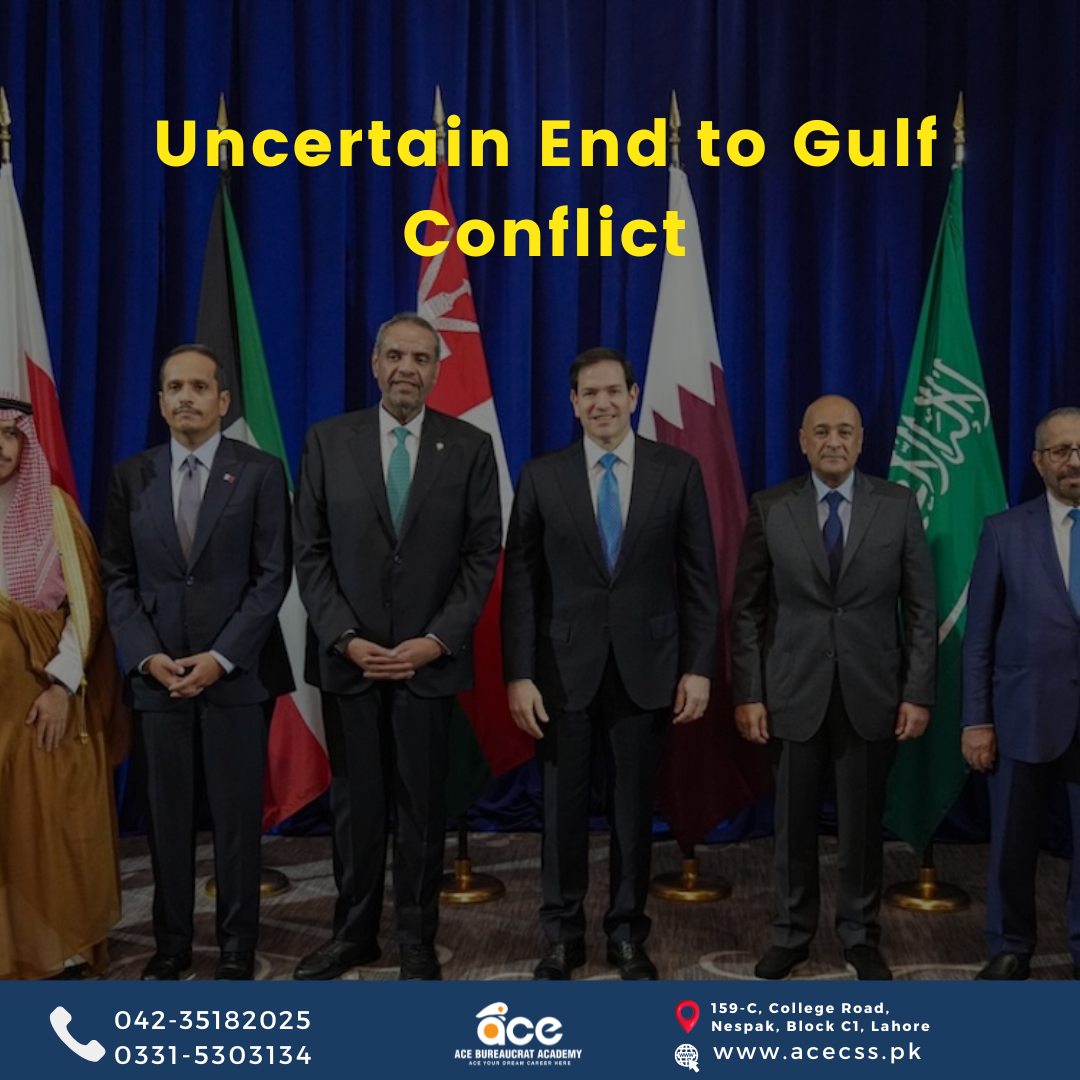
Gulf Conflict
Gulf Conflict: The Gulf war continues. Allies of Donald Trump feel uncertain about its goals and timing. US officials first said the war would end soon. Later, they launched new airstrikes and sent more troops. These mixed signals confuse the enemy. Experts instead study military, political, and economic limits to understand real plans.
War Shifts
The war first aimed to change leadership in Iran. But events took a different turn. The killing of Ali Khamenei strengthened hardline forces. The US and Israel now consider a ground war.
US leaders often start short wars. These wars later become long and costly. They then need more funds. Congress may not approve this. The war has hurt US markets and Trump’s ratings. This situation benefits Iran.
Changing War Goals
The US has changed its goals. It now wants to weaken Iran’s military and economy. It also wants to keep the Strait of Hormuz open. Leaders dropped plans to hit energy sites. They feared strong retaliation. Now they focus on military targets.
Experts expect limited gains. Iran has lost some weapons and factories. But it can rebuild them in a few years. This may lead to repeated short wars. Such wars can harm Gulf economies.
Opening the Strait of Hormuz is risky. Keeping it open is harder. Iran can still disrupt it. This risk may turn the conflict into a long war. So far, the war has achieved little.
Talks and Mediation
Leaders now discuss possible talks. Some see mediation as a way to gain global status. But real strength comes from a strong economy and stable politics. Mediation also carries risks.
Countries like Pakistan, Egypt, and Turkey must think carefully. They face many internal and external problems. They should choose their role wisely.
Negotiation Dynamics
Both sides will try to gain advantage before talks. If the strait stays closed, Iran gains leverage. Trust between both sides remains very low.
Powerful countries shape outcomes. The European Union, China, and Japan can play a bigger role. They hold influence over the US and face effects of the war.
Key issues include Iran’s nuclear program, missiles, allies, and US sanctions. Leaders may delay harder issues. They should first secure a ceasefire and reopen the Strait of Hormuz.
Compensation Dispute
Iran may demand compensation. The US may refuse to pay. It may just stop attacks and rely on allies to push for peace. Iran can still use the strait as leverage later.
In the end, talks may bring few formal results. Power politics will shape the future.
Published in Dawn, 31st March 2026
